

For 20+ years, winning the click was our job. We needed to rank well, earn the visit, optimize the landing page, and convert the customer when they landed on site. Agentic commerce flips the model. Now, Google, Microsoft, and OpenAI are building checkout experiences inside their AI interfaces. This means the customer can discover, compare, and buy without ever reaching your website.
It sounds great for the customer, but raises the very serious question every ecommerce and lead-gen team is asking.
If the AI owns the checkout, who owns the customer?
The Funnel is Collapsing into LLMs and AI Search
Google’s January 2026 push is the clearest signal that AI is no longer just influencing discovery and stealing traffic from informational searches. It is becoming the primary transaction layer of ecommerce.
With the announcement of a new open standard, the Universal Commerce Protocol (UCP), plus experiences that enable shoppers to complete purchases directly within Google’s AI surfaces (like Search AI Mode and Gemini), it’s clear that this is no longer an experiment. We’re about to see a structural rewrite of how buying happens.
We’re all used to the traffic funnel looking like this:
Query → Website → Cart → Checkout → Conversion

What we are about to see is a funnel like this:
Query → AI Answer → AI Comparison → AI Checkout

The user may never see your site. You maintain the transaction, but you no longer have the attention of your audience.
It’s not just Google either. Microsoft is moving in parallel with Copilot Checkout, describing a “no redirect, no friction” purchase flow inside Copilot, again with merchants remaining the seller/merchant of record. OpenAI and Stripe have teamed up on building toward the same endpoint with Instant Checkout and the Agentic Commerce Protocol (ACP). Their goal is a standard meant to make checkout agent-ready across AI shopping interfaces.
Key Takeaway: The new “storefront” is often the AI response. Your site becomes one possible endpoint, but not the default destination.
Ownership of Identity, Consent, and Re-engagement in Agentic Shopping
Customer ownership isn’t a legal label. Being the merchant of record only means you processed the payment and shipped a package. It does not give you ownership, much less a relationship with the customer. True customer ownership is defined by control over three things:
- Identity & reachability – Without permission to an email, phone number, address, etc., you don’t have a customer, only a transaction.
- Experience post-purchase – Are you just inventory behind an AI system, or are you still sending confirmations, updates, and collecting reviews?
- Ability to drive the second purchase – The first AI sale must lead to loyalty, personalization, and lifecycle marketing, or else you start from zero every time.
1. Do You Still Get the Customer’s Identity?
Both Google’s positioning around UCP and Microsoft’s Copilot Checkout messaging emphasize that merchants remain the seller and merchant of record. They’re framing these systems as enabling commerce without stripping merchants of the relationship.This means the direction of travel here is merchant-friendly, at least compared to classic marketplaces.
In contrast to the marketplace era, Amazon, for example, has historically limited sellers’ direct access to customer details. Marketplace Pulse documented Amazon removing customer details from a key report in 2021, reinforcing the renting customers dynamic.
Bottom line: In agentic checkout, you should plan for customer identity to flow through, but consent will likely be more explicit and granular than many brands are used to.
2. Consent Becomes a First-Class Conversion Variable
When the AI is the interface, your email opt-in checkbox becomes a platform-mediated moment. That changes how you win retention. Instead of relying on a pre-checked box on your own checkout, brands will increasingly compete on:
- A clear value exchange (sign-up in exchange for order updates, member pricing, warranty, faster reorders, etc.)
- Trust signals (policies, reviews, easy returns)
- Strong post-purchase experience that motivates account loyalty links later
In other words, the opt-in rate becomes as important as the conversion rate.
3. Post-Purchase is Where Customer Ownership is Won or Lost
Even if the transaction happens in AI, your brand can still own the relationship. In order to do so, your post-purchase motions need to be airtight. It’s imperative to have:
- Branded confirmation and shipping communications
- Fast, accurate fulfillment
- Proactive support content
- Loyalty enrollment and account linking flows
- A retention engine that doesn’t depend on the next AI recommendation
This is the lesson brands learned the hard way with marketplaces and is why some brands choose to pull back. Nike’s decision to stop selling directly on Amazon in 2019 was explicitly framed around focusing on more direct customer relationships. This doesn’t mean avoid AI platforms. It means don’t outsource the customer relationship strategy.
What this means for SEO and Analytics
Agentic checkout doesn’t kill SEO. But it does change what SEO outcomes look like.
SEO Goals Shift From SERP Rankings and Clicks to Be the Source AI Trusts
To earn visibility in AI shopping answers, brands will need:
- Clean, complete product data (feeds, availability, shipping, returns)
- Strong on-site structured data (so systems can validate attributes)
- Evidence of trust (reviews, policies, brand authority signals)
- Content that answers comparison questions (the prompts buyers actually ask)
Analytics Moves from Tracking Visits to Measuring Relationships and Real Business Lift
If the AI becomes the interface, you’ll see more cases where:
- The customer buys without a traditional session
- Attribution gets fuzzy across surfaces
- The most important KPI becomes new-to-file customers with usable consent
If you cannot identify and re-engage customers acquired through AI, then every dollar you spend there is reacquisition spend forever.
How to Own the Customer in an AI-Checkout World
Here’s what we at Analytics Answers are recommending to ecommerce brands and growth teams right now.
1. Treat Agentic Platforms Like Marketplaces and Performance Channels
Build reporting that separates:
- AI-surface orders (Google AI, Copilot, ChatGPT/Instant Checkout, etc.)
- Repeat rate by acquisition surface
- Opt-in rate by acquisition surface
- LTV and return rate by surface
If you can’t measure those, you can’t decide whether to scale or gate.
2. Design for Permissioned Identity Capture
Assume consent prompts will be stricter and more visible. Improve your odds by:
- Tightening your value proposition for opt-in
- Making loyalty benefits immediate and tangible
- Following up post-purchase with an account-linking incentive (where allowed)
3. Make Post-Purchase Unmistakably Branded
If the AI is the new front door, your follow-up becomes the brand imprint:
- Branded emails & SMS (within consent)
- Packaging inserts that drive app & account adoption
- Support content that builds trust and reduces returns
- A next-purchase offer that doesn’t rely on the AI remembering you
4) Prepare Your Data Layer for Fewer On-Site Sessions
This is where many teams will be surprised.
- Your CRM becomes a source of truth, not web analytics alone
- Server-side event strategies matter more
- You’ll need better reconciliation between platform orders and lifecycle outcomes
Using AI Checkout Without Losing Your Customers
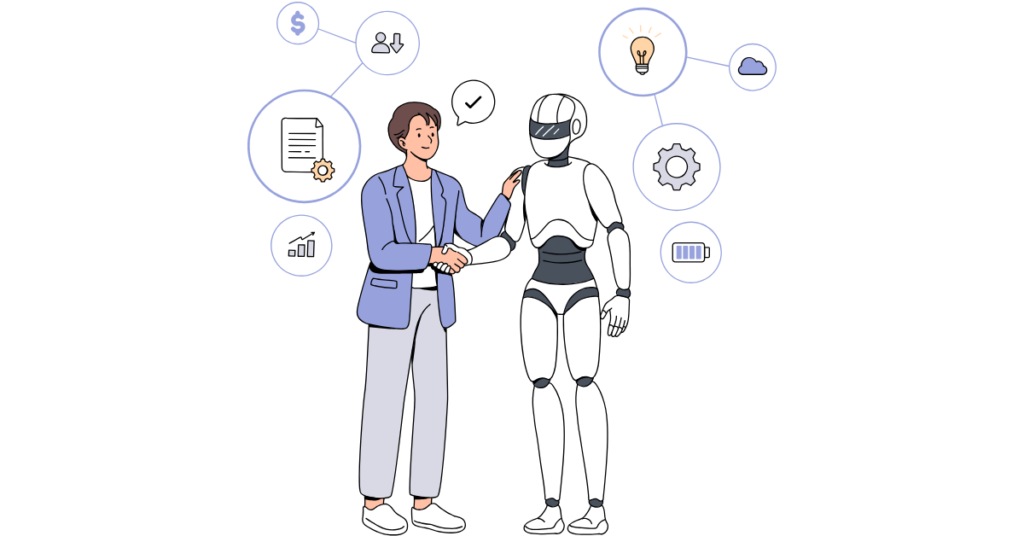
Most serious brands won’t treat agentic checkout as either a full embrace or a complete rejection. They will land in the middle with what we call a strategy of cautious enthusiasm. That means leaning into AI-driven checkout as a powerful growth channel for incremental demand and high-intent shoppers. This is particularly true in commodity or replenishment categories where speed and convenience matter most. However, it’s also wise to deliberately gate the highest-margin products, relationship-driven experiences, bundles, and services behind account creation, loyalty benefits, or other identity-building touchpoints.
The real mistake is not participating in AI checkout at all, nor is it embracing it blindly. The mistake is participating without a clear plan for capturing identity, honoring consent, and designing for retention, because without those controls in place, every AI-driven sale risks becoming a one-time transaction instead of the start of a customer relationship
You Must Open the Relationship as AI Closes the Sale
When AI owns the checkout, you can still own the customer, but only if you build for it. The winners will be the brands that show up in AI answers with clean, trusted product information, capture permissioned identity reliably, deliver a post-purchase experience strong enough to earn the second order, and measure customer quality (not just conversion volume) by AI surface. In an AI-first commerce world, growth won’t belong to the brands that convert the fastest, but to the ones that turn frictionless checkouts into lasting relationships they can measure, nurture, and scale.